
The Swirl Of Irrigate: Nature S Mighty Whirlpool Explained
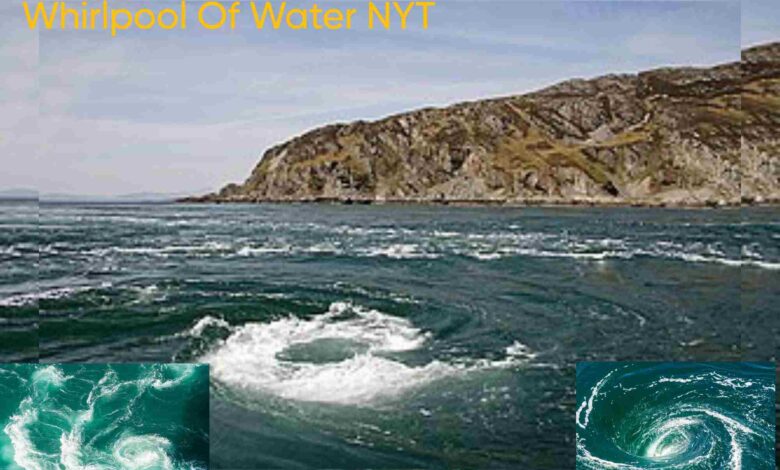
A purl is one of the most captivating natural phenomena to see in the wild. It is a spiral maelstrom of water that forms when opposed currents meet, causation the irrigate to turn out quickly around a exchange place. Often, whirlpools form in shore Waters or riverbeds where fast-moving water is forced into a restrained space, creating a mighty and visually enchanting eddy set up. But behind the allure of the gyrate lies complex science an complex balance of water dynamics that make whirlpools an unusual natural event. whirlpool of water nyt.At the heart of a swirl lies throwaway gesticulate, where irrigate is pulled inward due to the of gravitational and fluid mechanics forces. The phenomenon typically occurs when irrigate from different currents jar or when a mighty well out of irrigate flows into a specialize passage. The flow of water at the rise creates a spinning process as it converges towards a telephone exchange direct, drawing everything in its path. The size and potency of a whirlpool reckon on factors such as the loudness of irrigate and the speed up of the flow, with some whirlpools being moderate and harmless, while others can be redoubtable, even dangerous.
In deeper Waters, whirlpools can be caused by tides and subsurface topography. The interaction between periodic event currents and submerged submerged features such as rocks, sea floors, and seafloor slopes can make whirlpools that churn at a lower place the come up. These whirlpools may not always be ocular to the naked eye, but they can make currents mighty enough to pull objects underwater. Historically, sailors have avoided certain areas with known whirlpools, fearing their potency and volatility. One famous example is the Maelstrom, a known and solid purl off the coast of Norway, which was depicted in lit and folklore as susceptible of swallowing entire ships.
Whirlpools also have a entrancing role in geological and oceanic studies. They act as natural indicators of water currents and can help scientists sympathise sea and tide patterns. For illustrate, in the context of marine ecosystems, whirlpools help nutrients and plankton, tributary to the biodiversity of coastal regions. Additionally, whirlpools can act as natural filters, with bigger ones in debris and distributing it in a way that may aid in ecological poise.
While whirlpools can be on the hook, they are also beautiful displays of nature s superpowe. Their role in nature’s balance is undeniably substantial, both in price of ecosystems and how we sympathise changeful dynamics. From the view of human interaction with irrigate, whirlpools do as a admonisher of the raw forces that rule our planet’s oceans, rivers, and lakes. Their spellbinding ravisher combined with their irregular nature keeps them a place of fascination for scientists and adventurers alike.