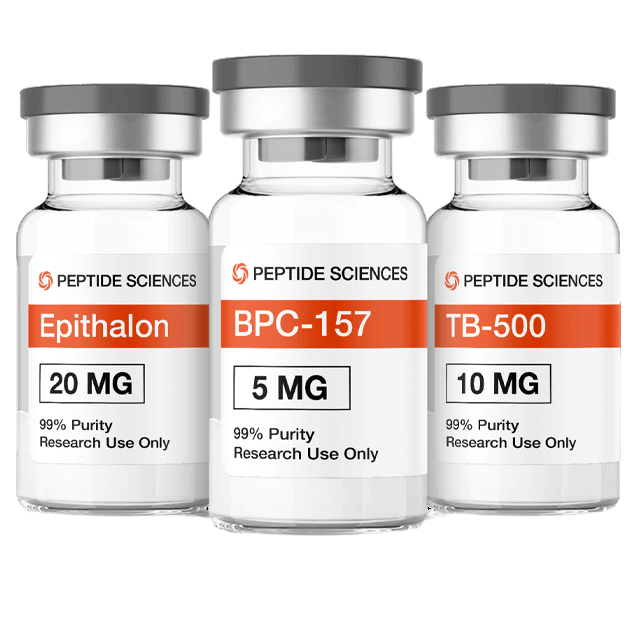
Unlocking the Science and Benefits of Peptide Labs in Research
Introduction to Peptide Labs and Their Importance
Peptide labs play a crucial role in the advancement of biomedical and pharmaceutical research by providing high-purity peptides tailored for scientific applications. Peptides, short chains of amino acids, are fundamental biomolecules involved in numerous physiological functions, from hormone regulation to immune responses. Research-grade peptides enable scientists to conduct precise experiments and develop novel therapeutics, thus driving innovation in life sciences.
From a developer’s perspective, the integrity and quality of peptides are paramount, as impurities can compromise experimental outcomes or clinical trials. Peptide labs ensure the synthesis, purification, and characterization of peptides meet stringent standards, which is essential for reproducibility and accuracy in research.
Core Functions and Services of Peptide Labs
Peptide laboratories specialize in several key areas that support scientific investigations:
- Custom Peptide Synthesis: Producing peptides with specific sequences and modifications to suit unique research needs.
- Purification and Quality Control: Employing advanced chromatography and mass spectrometry to guarantee peptide purity, often exceeding 95%.
- Analytical Testing: Validating peptide identity and stability through techniques like HPLC and MALDI-TOF.
- Scale Flexibility: Offering peptides in quantities ranging from milligrams for preliminary studies to grams for preclinical trials.
These services collectively ensure researchers receive peptides that align with their experimental design and regulatory requirements.
The Role of Peptide Purity and Quality in Research
High purity peptides are indispensable for consistent and reliable research outcomes. Contaminants or synthesis by-products can interfere with biological assays, skew data interpretation, or even induce unintended biological effects. Therefore, scientific consensus underscores the necessity of sourcing peptides from trusted providers who implement rigorous lab-testing protocols.
Many experts highlight that peptide labs provide comprehensive labtested peptides that demonstrate superior consistency and accuracy, significantly reducing experimental variability. This reliability is especially critical in fields like oncology, endocrinology, and immunology, where peptides are used as molecular tools or therapeutic candidates.
Applications of Peptides Sourced from Peptide Labs
Peptides supplied by research-focused peptide labs support a broad spectrum of scientific disciplines:
- Drug Discovery and Development: Serving as lead compounds or drug candidates in targeting diseases.
- Biochemical Assays: Acting as substrates, inhibitors, or signaling molecules in vitro.
- Structural Biology: Facilitating the study of protein interactions and conformational changes.
- Diagnostic Tools: Used in immunoassays and biomarker identification platforms.
Because peptides can be chemically modified to enhance stability or bioavailability, labs often collaborate with researchers to customize peptides for advanced applications.
Selecting the Right Peptide Lab for Your Research Needs
Choosing a reputable peptide lab involves evaluating several factors beyond just cost:
- Quality Assurance: Confirm the lab adheres to Good Manufacturing Practices (GMP) or equivalent quality standards.
- Analytical Transparency: Access to Certificates of Analysis (CoA) and detailed batch reports.
- Technical Support: Availability of expert consultation on peptide design and handling.
- Delivery Timelines: Efficient production and shipping to meet project deadlines.
The growing complexity of peptide research demands suppliers who combine scientific expertise with reliable supply chains.
Future Trends in Peptide Lab Innovations
Peptide synthesis technology continues to evolve, with trends such as automated solid-phase peptide synthesis, incorporation of non-natural amino acids, and peptide stapling techniques gaining momentum. These advances enable the creation of more stable, biologically active peptides with enhanced therapeutic potential.
Additionally, peptide labs are increasingly integrating AI-driven design tools to accelerate peptide optimization, reducing development times and costs. This synergy between technology and chemistry promises to expand the accessibility and application of peptides in research and medicine.
Conclusion: The Critical Role of Peptide Labs in Scientific Progress
In summary, peptide labs are foundational pillars in modern scientific research, delivering high-quality, lab-tested peptides essential for experimental precision and innovation. Their commitment to purity, customization, and analytical rigor empowers researchers to explore new frontiers in biology and therapeutics confidently.
Understanding the capabilities and services of peptide labs helps scientists and institutions make informed decisions that directly impact the success of their studies. As peptide science advances, these specialized labs will continue to be indispensable partners in unlocking biological mysteries and developing next-generation treatments.