
A Guide to CNC Machining Nylon Materials CNC Machining Considerations for Nylon Plastic Parts
Nylon is a popular engineering thermoplastic used for CNC machined components across many industries. When properly machined, nylon offers an excellent balance of properties. Here are key considerations when manufacturing nylon parts with Nylon CNC Machining milling or turning.
Benefits of Nylon Parts
Nylon materials offer several advantages including:
- High strength and wear resistance
- Chemical and corrosion resistance
- Low friction and damping qualities
- Dimensional stability in humid environments
- Low moisture absorption compared to other plastics
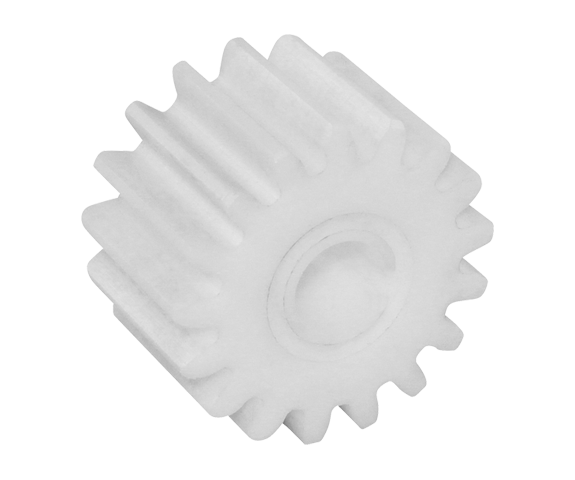
These properties make nylon suitable for precision gears, bearings, rollers, cams, wear pads, and more.
CNC Machining Challenges
Nylon does present some machining challenges:
- Abrasiveness causes tool wear
- Hygroscopic nature requires drying before machining
- Poor thermal conductivity limits heat dissipation
- Tendency to smear instead of chip
Drying Nylon Material
Nylon should be dried for 4-6 hours at 250°F before machining to prevent absorbed moisture from vaporizing into defects.
Use Sharp Cutting Tools
Carbide tooling with sharp edges and proper coatings like TiAlN work best to shear through nylon cleanly.
Specialized Tool Geometries
Geometries like chip splitters and serrated edges improve chip formation and evacuation in nylons.
Positive Rake Angles
Ground-positive rake angles on cutting tools reduce cutting forces and temperatures for better nylon machining.
Tool Path Strategies
Trochoidal and low radial depth strategies lower tool loads and improve surface finish in nylon.
High Speeds and Feeds
Nylon machining benefits from higher cutting speeds of up to 10,000 RPM and increased feeds of up to 80 IPM during milling.
Coolant Usage
Water-soluble coolants improve tool life and surface finish by regulating heat during nylon machining.
Rigid Setups
Deflection must be minimized with rigid work holding that spreads clamping forces evenly across nylon parts.
Clean Chips
Keeping nylon chips cleaned out during machining prevents re-cutting and potential melting.
Annealing Parts
Light annealing can relieve stresses in some nylons before finish machining, improving stability and tolerances.
Common Grades
Nylon 6/6, nylon 6, acetal, and glass-filled nylon composites are routinely Nylon CNC Machining machined.
Conclusion
Applying the right techniques enables reliable, repeatable Nylon CNC Machining machining of nylon plastic components with excellent performance.
