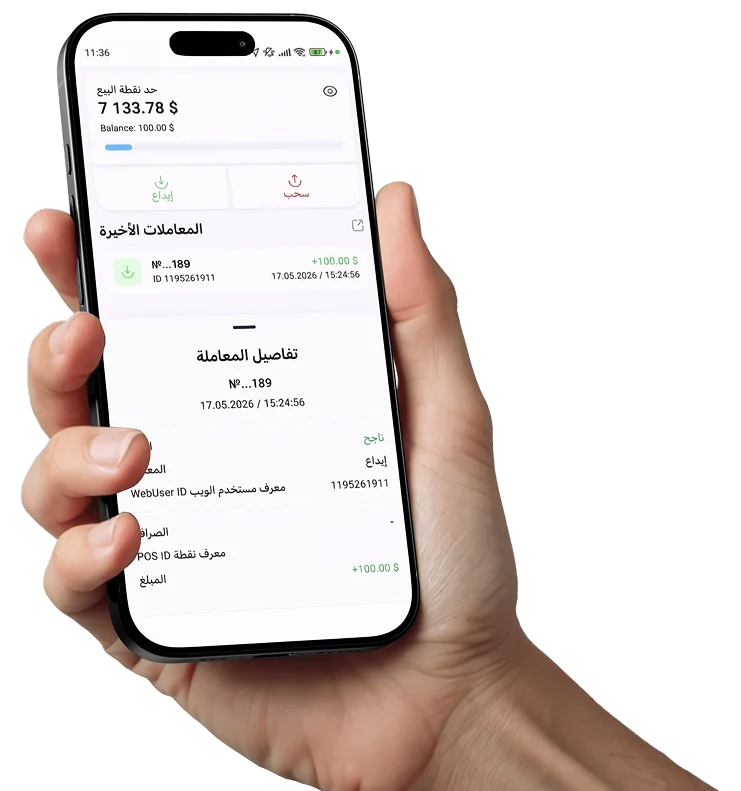
Bridging the Gap The Essentials of Mobile App Development for iOS and Android
Understanding the Landscape
In today’s digital world, mobile applications have become essential tools for businesses and consumers alike. The popularity of smartphones has led to a surge in demand for mobile applications, driving the growth of both iOS and Android app development. Understanding the intricacies of each platform is vital for developers aiming to create engaging and functional applications.
Key Differences Between iOS and Android
iOS, developed by Apple, offers a closed ecosystem, which can result in smoother performance and enhanced security. Conversely, Android, developed by Google, operates within an open-source environment, providing developers with more flexibility and a broader audience reach. Each platform has its unique programming languages—Swift and Objective-C for iOS, and Kotlin and Java for Android—making proficiency in these languages essential for successful app development.
The Development Process
App development involves several stages, including planning, design, development, testing, and deployment. Initial planning should focus on defining the app’s purpose, target audience, and key features. Following this, the design phase emphasizes user experience (UX) and user interface (UI) considerations, as these elements significantly impact user engagement.
During the development phase, developers write code, integrate APIs, and develop back-end services. Testing is critical to identify bugs and ensure the app performs reliably across devices. Finally, deployment requires careful consideration of app store guidelines for both iOS and Android, ensuring compliance for successful launch.
Conclusion
With the increasing reliance on mobile technology, businesses looking to stay competitive must invest in robust mobile applications. For comprehensive insights and resources on iOS and Android app development, exploring industry best practices can pave the way for innovative solutions that meet user needs effectively. Embracing the nuances of each platform will ultimately lead to successful and engaging mobile applications.