
How Oral Probiotic for Gums Helps Improve Health?
Oral health is often overlooked in daily wellness routines, yet it plays a vital role in overall health. One of the newest breakthroughs in dental care is the use of oral probiotic for gums.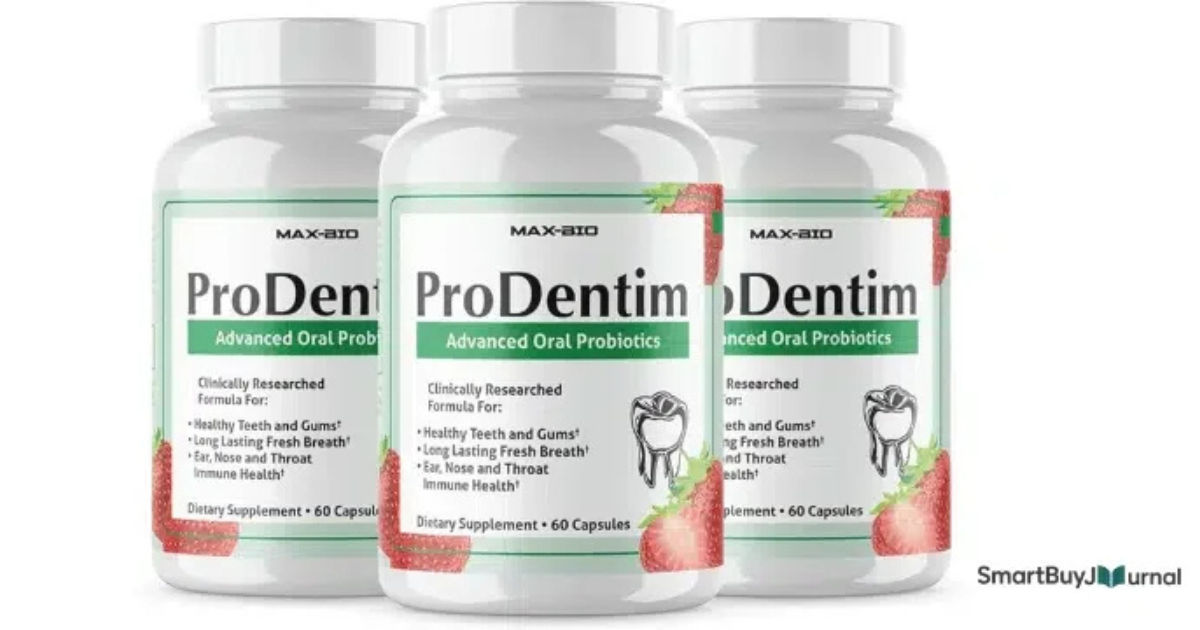
These probiotics are specifically designed to support gum health, fight harmful bacteria, and maintain a balanced oral microbiome.
Unlike general probiotics, oral probiotics target the mouth, helping prevent common issues like gum inflammation, bleeding, and bad breath.
If you’ve ever wondered how you can naturally enhance your gum health and prevent dental problems without relying solely on traditional toothpaste or mouthwash, oral probiotics might be the solution.
In this comprehensive guide, we will explore everything you need to know about oral probiotics for gums, their benefits, how they work, and how to incorporate them into your daily routine.
Oral Probiotics
Probiotics are live microorganisms, mainly bacteria, that provide health benefits when consumed in adequate amounts. While most people are familiar with probiotics for gut health, oral probiotics are specifically formulated to support the mouth’s ecosystem.
The mouth hosts hundreds of bacterial species. Some are beneficial, helping to protect against harmful bacteria, while others can contribute to gum disease, cavities, and bad breath. Oral probiotic for gums helps maintain a healthy balance, encouraging the growth of good bacteria and reducing the impact of harmful microbes.
Unlike traditional oral care products that mainly focus on cleaning and temporarily killing bacteria, oral probiotics work to strengthen the mouth's natural defenses. This makes them a long-term solution for maintaining gum health and overall oral hygiene.
The Importance of Gum Health
Healthy gums are the foundation of a strong and functional mouth. Gums support your teeth, protect nerves, and help maintain overall oral structure. Unfortunately, gum problems are very common.
Gum diseases, such as gingivitis and periodontitis, are caused primarily by bacterial imbalance. Symptoms include red, swollen, or bleeding gums. Left untreated, these conditions can lead to tooth loss and even affect overall health. Studies have linked gum inflammation to heart disease, diabetes, and respiratory infections.
This is where oral probiotic for gums becomes essential. By promoting beneficial bacteria, these probiotics help reduce inflammation, prevent harmful bacterial growth, and support gum tissue regeneration. They are not just a supplement—they are a preventive tool that can drastically improve oral and systemic health.
How Oral Probiotics Work for Gums
Oral probiotics function differently from general probiotics. Here’s how they help improve gum health:
Balancing the Oral Microbiome
The oral microbiome is the ecosystem of bacteria in your mouth. When this balance is disrupted, harmful bacteria can multiply, causing plaque buildup and gum disease. Oral probiotic for gums restores balance by introducing beneficial bacteria that compete with harmful microbes, reducing their growth and promoting a healthier oral environment.
Fighting Harmful Bacteria
Certain bacteria, such as Porphyromonas gingivalis, are directly responsible for gum inflammation and tissue damage. Probiotic strains like Lactobacillus reuteri and Streptococcus salivarius can inhibit these harmful bacteria, reducing the risk of gingivitis and periodontitis.
Reducing Inflammation
Gum inflammation is often the body’s response to bacterial overgrowth. Oral probiotics help regulate the immune response, reducing swelling and bleeding while encouraging the regeneration of healthy gum tissue. This makes them particularly beneficial for individuals with sensitive or compromised gums.
Supporting Natural Oral Defenses
Saliva is the mouth’s natural defense against bacteria, containing enzymes and antibodies that fight infections. Oral probiotics enhance saliva’s effectiveness, boosting its ability to neutralize harmful microbes and prevent plaque formation.
Benefits of Using Oral Probiotics for Gums
The benefits of oral probiotic for gums extend beyond simple plaque control. Here’s what research and real-world use suggest:
1. Prevention of Gum Disease
Regular use of oral probiotics can reduce the risk of gum diseases like gingivitis and periodontitis. By maintaining a healthy balance of bacteria, they prevent harmful species from taking over, which is often the root cause of gum inflammation.
2. Reduction in Bad Breath
Halitosis, or bad breath, is often caused by the accumulation of bacteria on the tongue and gums. Oral probiotics target these odor-causing bacteria, reducing bad breath and promoting a fresher mouth.
3. Improved Gum Strength and Healing
Oral probiotics can promote tissue repair and strengthen gum resilience. Individuals with mild gum recession or those recovering from dental procedures may benefit from faster healing and reduced sensitivity.
4. Natural and Safe Approach
Unlike harsh chemical mouthwashes or antibiotics, oral probiotics work naturally with the body’s microbiome. They are safe for daily use, even for individuals prone to sensitive gums or cavities.
5. Complementing Overall Oral Hygiene
While brushing and flossing remain essential, oral probiotics enhance the effectiveness of daily oral hygiene routines. They create a protective layer of good bacteria, providing ongoing defense against harmful microbes.
Key Strains of Oral Probiotics for Gums
Not all probiotics are the same. Certain strains are particularly effective for gum health:
Lactobacillus reuteri
This strain helps reduce inflammation and inhibits harmful bacteria linked to gum disease. Studies show it can improve gum pocket depth and reduce bleeding.
Streptococcus salivarius K12 and M18
These strains prevent the growth of pathogens that cause bad breath and gum problems. They are often included in oral probiotic lozenges and sprays.
Lactobacillus paracasei
Known for supporting tissue healing, this strain can enhance gum regeneration and reduce sensitivity.
By choosing probiotics with these strains, you are more likely to experience the benefits associated with improved gum health.
How to Use Oral Probiotics Effectively
Using oral probiotics correctly maximizes their benefits:
-
Forms: Oral probiotics are available as lozenges, chewable tablets, gums, powders, and liquids. Lozenges and chewables are preferred because they stay in contact with the gums and oral tissues longer.
-
Timing: Take probiotics after brushing or meals to ensure they reach the gums and mouth without interference from residual toothpaste or food acids.
-
Consistency: Daily use is essential. Unlike antibiotics or antiseptics, probiotics work over time to create a healthy oral environment.
-
Storage: Some probiotics require refrigeration to maintain bacterial viability. Always check the packaging and follow storage instructions.
Incorporating Oral Probiotics into Your Routine
Oral probiotics are most effective when combined with proper oral hygiene:
-
Brush twice daily using a soft-bristled toothbrush.
-
Floss to remove food particles and plaque between teeth.
-
Use alcohol-free mouthwash to prevent disruption of beneficial bacteria.
-
Maintain a balanced diet rich in vitamins and minerals to support gum tissue health.
-
Limit sugary foods that encourage harmful bacterial growth.
By combining oral probiotics with these habits, you create a synergistic approach to gum health that addresses both prevention and repair.
Oral Probiotics vs. Traditional Mouthwashes
Many people wonder if oral probiotics can replace traditional mouthwashes. Here’s the comparison:
-
Mouthwashes: Typically kill both harmful and beneficial bacteria, which can temporarily improve freshness but may disrupt the oral microbiome in the long term.
-
Oral probiotics: Promote a healthy balance by encouraging the growth of good bacteria, reducing harmful bacteria over time, and supporting the body’s natural defenses.
In essence, oral probiotics complement daily cleaning rather than replace it, offering long-term protection instead of temporary results.
Who Can Benefit Most from Oral Probiotics?
While everyone can benefit, certain groups may see significant improvements:
-
Individuals with sensitive gums or frequent bleeding.
-
Those with bad breath despite regular oral care.
-
People recovering from dental procedures.
-
Individuals with a history of gingivitis or periodontitis.
-
Anyone interested in a natural preventive approach to oral health.
Even healthy individuals can use oral probiotics to maintain gum health and prevent future problems.
Common Myths About Oral Probiotics
Myth 1: Probiotics are only for the gut
Many people believe probiotics are only beneficial for digestion. However, oral probiotics specifically target the mouth and gums, delivering bacteria where they are needed most.
Myth 2: Probiotics can replace brushing and flossing
While beneficial, oral probiotics do not replace mechanical cleaning. Brushing and flossing remain essential to remove plaque and debris.
Myth 3: All probiotics are the same
Different strains have different functions. Only probiotics formulated for oral use contain strains effective for gum health.
Scientific Evidence Supporting Oral Probiotics
Numerous studies have demonstrated the benefits of oral probiotics for gums:
-
Research shows that Lactobacillus reuteri can reduce gum inflammation and pocket depth in patients with gingivitis.
-
Studies on Streptococcus salivarius M18 indicate improvements in plaque control and reductions in harmful bacteria.
-
Clinical trials confirm that long-term use of oral probiotics can enhance gum healing and prevent the recurrence of periodontal issues.
These findings highlight that oral probiotics are not a trend—they are backed by solid science and real-world results.
Tips for Choosing the Right Oral Probiotic
When selecting an oral probiotic for gums, consider the following:
-
Look for strains specifically tested for gum health.
-
Check the CFU count (colony-forming units). Higher CFU counts generally indicate more effective products.
-
Choose reputable brands with clinical studies supporting their claims.
-
Consider the form of the probiotic—lozenges or chewables are preferred for gum contact.
-
Ensure it is free from artificial additives that can affect oral health.
Potential Side Effects
Oral probiotics are generally safe. However, a few people may experience:
-
Mild digestive upset when starting.
-
Temporary change in taste.
These effects are usually temporary and subside as the body adjusts. Always consult your dentist if you have ongoing oral health issues or are considering probiotics for specific conditions.
Combining Oral Probiotics with a Healthy Lifestyle
Oral health is linked to overall wellness. Combining probiotics with a healthy lifestyle amplifies benefits:
-
Eat a diet rich in vegetables, fruits, and whole grains.
-
Stay hydrated to maintain saliva flow, which supports oral defense.
-
Avoid excessive sugar and acidic foods that encourage harmful bacteria.
-
Manage stress, as it can impact immune function and oral health.
A holistic approach ensures the gums remain strong and resilient.
Frequently Asked Questions
What makes oral probiotics different from regular probiotics?
Oral probiotics are formulated to survive and thrive in the mouth rather than the gut. They target specific bacteria that affect gum health and oral hygiene, providing benefits that regular digestive probiotics cannot deliver.
How long does it take to see results with oral probiotics?
Results vary depending on individual oral health and consistency of use. Many people notice improvements in gum inflammation, bleeding, and bad breath within 2–4 weeks of daily use.
Can oral probiotics help with bleeding gums?
Yes. By promoting beneficial bacteria and reducing harmful microbes, oral probiotics can decrease gum inflammation and bleeding over time. They also support tissue repair and overall gum strength.
Are oral probiotics safe for everyone?
Generally, oral probiotics are safe for adults and children. Those with compromised immune systems should consult a healthcare professional before starting any probiotic supplement.
Can oral probiotics replace dental visits?
No. Regular dental checkups and cleanings remain essential. Oral probiotics are a supportive measure that enhances gum health but do not replace professional care.
Conclusion
Maintaining healthy gums is crucial for both oral and overall health. Oral probiotic for gums provides a natural, science-backed approach to supporting the oral microbiome, reducing inflammation, preventing gum disease, and promoting overall wellness. Unlike traditional methods that temporarily fight bacteria, oral probiotics work to strengthen the body’s natural defenses, providing long-term benefits.
Incorporating oral probiotics into a daily routine, alongside proper brushing, flossing, and a balanced diet, can transform oral health. Whether you are recovering from gum issues, seeking to prevent future problems, or simply aiming for fresher breath and stronger gums, oral probiotics offer a safe, effective, and easy solution.
As research continues to explore the connection between oral health and systemic wellness, oral probiotics are emerging as an essential tool for proactive and holistic dental care. Taking care of your gums is not just about a beautiful smile—it’s about maintaining a healthier, happier body.

