
How to Stay Healthy and Energized on the Manaslu Circuit Trek
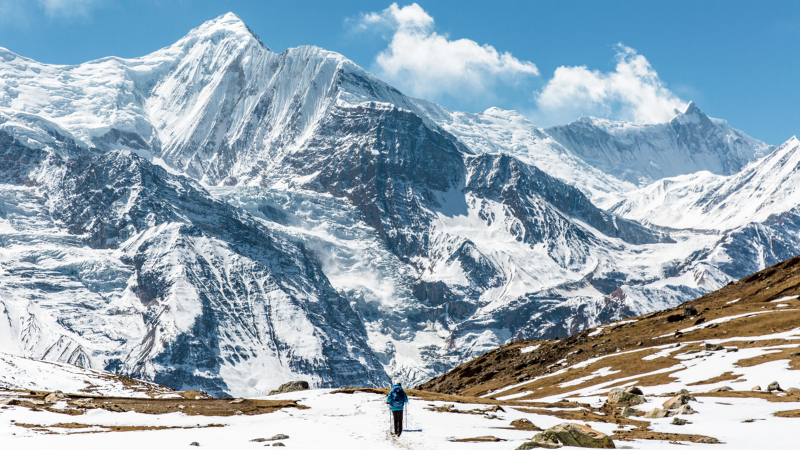
The Manaslu Circuit Trek is one of the most beautiful and arduous trekking circuits in Nepal. As a result of its off-the-beaten-path trekking, stunning mountainous landscapes, and rich cultural experiences, it’s no longer a surprise that more hikers are opting for this less-busy alternative to the far more trafficked Everest or Annapurna regions. But at those elevations, with those sorts of days spent hiking and that type of mountain weather, feeling good and staying energized on the trail are key to logging every mile as enjoyable.
First things first: Acclimate appropriately. The Manaslu Circuit reaches over 5,100 meters at the Larkya La Pass, and if you go too high too fast without time to acclimate, you’ll get elevation sickness. A well-structured schedule with acclimatization days and steady elevation gain looms as the key to high-altitude wellness. Staying well hydrated, consuming at least 3 to 4 liters of water a day, can help your body acclimate more efficiently and avoid dehydration, a frequently overlooked ailment at altitude.
Nutrition is a large part of maintaining high energy for the trek. The menu at most teahouses features traditional Nepali meals, such as dal bhat, which is not only hearty but also full of the carbs you’re going to need for long days of trekking. Energy bars, dried fruits, and nuts are just a few snacks to keep on hand for a quick pick-me-up that will offer sustained energy to your body. As tempting as it may be, don’t overdo it with caffeine and alcohol, which can impact hydration and the quality of sleep, both of which are important when you’re hiking for multiple days.
Relaxation and even sleep are as essential as exercise. A good night’s sleep helps muscles recover, and it also keeps your immune system strong. Earplugs and an eye mask can be useful in noisy teahouses if you are a light sleeper. Don’t skip rest days if your body feels overloaded, especially at higher elevations. Excessive exertion increases the likelihood of developing injuries and altitude-related problems. Even veteran trekkers need to hear what their bodies are telling them and to set their own pace.
Layering clothes appropriately is important to keep a stable body temperature when the temperatures can change a lot throughout the day. Remain dry , so ensure you pack a good rain jacket and moisture-wicking layers. Overheat or freeze, and you get zapped of your energy; proper gear selection is then a significant aspect of your health plan on the trek.
Physical preparation before your departure is of great benefit. Cardiovascular conditioning, strength training, and hiking with a loaded backpack all contribute to training your body ahead of the Manaslu Circuit. A solid fitness base goes a long way to mitigating fatigue, reducing the likelihood of injury.
And last but not least, stamina, in A positive approach, motivation, and intellectual flexibility will help keep you cruising over whatever surprises—be—be—be—they rock-strewn trails or unanticipated weather—that come your way. With that mindset and the right physical preparation, a hard journey becomes a very satisfying one.
With attention to hydration, nutrition, sleep preparation, and mental toughness, you will not just make it through the Manaslu Circuit trek, you will love the hike in sound health and high spirits!
How can I physically prepare for the Manaslu Circuit Trek?
Physical Conditioning for the Manaslu Circuit Nepal Physical preparation for the Manaslu Circuit is essential to prevent you from becoming (seriously) ill or injured. This is a challenging hike, which requires quite a bit of stamina and strength, given the steepness of the trail and the high elevation gain. Start training at least two months before with a rotation of cardio, strength workouts, and long walks or hikes. Center your exercise routine around activities like going up a flight of stairs, squats, lunges, or hiking with a backpack. These will strengthen your legs and core, and help you mimic the trail. Doing cardio exercises such as running, cycling, or swimming helps build endurance, which is important when doing a 6 to 8-hour trek in a day. Add weekend hikes on hilly trails to condition your body to elevation gain and mileage. If you can, go hiking with the same pair of boots and gear you will use. This minimizes the likelihood of blisters and discomfort down the road. Finally, add in some flexibility/recovery work (yoga, stretching, etc.) to help keep the muscles balanced and mitigate injury risk. Having good fitness will not only enhance your performance, but also your enjoyment as you gaze at the jaw-dropping scenery you’ll face on the Manaslu Circuit.
What Can I Eat to Stay Energized on a High-Alpine Adventure?
Eating and drinking the right things on the Manaslu Circuit Trek is a must if you want to keep your energy levels on top throughout your journey. High altitudes mean your body needs more energy, so you want to eat the right mix of carbohydrates, proteins, and fats. Dal bhat (rice, lentils, vegetables) is available nearly everywhere and provides slow-burning carbs and plant-based protein. Eat this meal often — it’s a local favorite for a reason.
Try to eat a big breakfast, such as a morning meal of oatmeal, eggs, or Tibetan bread with honey. Make sure easy-to-digest and satisfying foods are consumed for lunch and dinner. Steer clear of heavy meats or fried dishes that can feel heavy in your stomach at altitude. Bring along trail snacks like energy bars, nuts, seeds, and dried fruit to provide you with fast energy during the hike.
Avoid alcohol and cut back on caffeine, especially at higher elevations, since both can dehydrate you and interfere with sleep. Hydration and nutrition work together to ensure that you recover faster and remain alert. Also, pay attention to what your body is saying to you—your appetite may fluctuate with elevation, for example, but it’s best to eat small, frequent meals to help maintain a steady energy level. Favor the correct foods to fuel your body and stay alert and strong throughout your journey.
How Can I Prevent Acute Mountain Sickness on the Manaslu Circuit?
Altitude sickness is another risk on the Manaslu Circuit, especially as the trail ascends above 5,000 meters at Larkya La Pass. The key to avoiding Acute Mountain Sickness (AMS) is a sensible itinerary. Select a trek itinerary that takes you to some altitude gradually with acclimatization days, particularly around 3,000 metres and then again around 4,000 metres.
One of the best tips to avoid AMS is to live by the rule: hike high, sleep low. Ascending to a higher elevation during the day is O.K., but descend before sleeping. Remain well hydrated – consume no less than 3-4 liters of water per day. Dehydration may contribute to altitude-related problems. Refrain from alcohol and don’t exert yourself too much on steep climbs.
Some trekkers opt to carry medications such as Diamox (acetazolamide) to assist with acclimatization. Don’t take anything without consulting a doctor. Be able to identify symptoms of altitude sickness early on, such as headaches, feeling sick, dizziness, and shortness of breath. If symptoms are more severe, the only cure is to descend immediately.
Don’t ignore your body. Hiking slowly, taking lots of breaks, drinking water, can be a game-changer. With proper precautions, you can savour to the fullest the beauty of the Manaslu region and that too without worrying about altitude sickness.
Is It Necessary to Drink a Lot of Water Along the Way?
YES… staying hydrated is not just important, it’s straight up critical on the Manaslu Circuit Trek! At altitude, dehydration sets in sooner because of dry air, heavy breathing, and physical activity. If you’re not staying properly hydrated, you’re on track for dehydration, which can result in headaches, fatigue, decreased performance, and an increased risk of altitude sickness.
Manaslu Base Camp Trek: Try to take up to 3 – 4 liters of water every day. Bring a reusable bottle, or use a hydration bladder, and sip often — even if you don’t feel thirsty. If by now you are thirsty, dehydration has probably already begun. If you’re sweating a lot, consider adding electrolyte powders or hydration tablets to your water fillups to replace lost minerals.
Boiling water is available in teahouses. If you’re refilling from natural sources, you can also use water purification tablets or a portable filter. Do not drink untreated water from rivers or the taps in order to reduce the spread of gastrointestinal infection.
Reduce coffee and alcohol, which can cause fluid loss. Remember that retaining hydration is also conducive to allowing your body to adjust more quickly to high altitudes. Work regular water breaks into your trekking schedule. Proper hydration will keep your energy levels up and keep your body up to snuff on this challenging trail.
What Are Some of the Best Recovery Tips for After a Long Day of Hiking?
Recovery is just as crucial as the hiking part when walking the Manaslu Circuit. Each day’s effort, as well as the effects of altitude, puts a lot of stress on your muscles and immune system. Prioritising recovery allows you to remain energised and prevent injury, fatigue on multi-day hikes.
Begin recovery as soon as you reach your teahouse or lodge. If your clothes are wet or you’re covered in a thin film of sweat, change out of those duds so you don’t catch a chill, especially at night when temperatures cool down. You can also gently stretch your legs and back when you get in, which will help prevent stiffness. Yoga or gentle mobility movements can also circulate the blood and help restore the muscles.
What to eat: Balanced meals with plenty of carbs and protein. Carbs restore depleted energy stores, and protein helps rebuild muscle. Even if you’re exhausted or not very hungry, don’t skip dinner — it’s fuel for the next day. Continue to drink lots of water into the evening- your body can’t recover from anything without copious amounts of water.
Manaslu Circuit Trekking Get quality sleep. If you need to block sounds, use earplugs, an eye mask, or a sleeping bag liner. That’s because when your body does much of its healing. If you’re sore, rest more. Don’t force your pace. Taking the time to rest and recharge your body at the end of each hiking day will make your trip a lot more sustainable and enjoyable.
What Kind of Gear Makes You Feel Better (or Worse)?
Choosing the right Manaslu Circuit Trek equipment will be key to your comfort, enjoyment, and health on the trip. The track traverses many altitudes, climates, and terrains, so having the right gear will keep you from getting fatigued, blisters, cold, or hot. Begin with high-end trekking boots that are well worn in (to avoid blisters) — proper footwear will protect you from injury, keep your ankles supported, and safeguard your feet from undue stress during long days.
Layering is essential. A wicking baselayer, interchangeable insulating fleece, and windproof, waterproof shell mean you can easily adjust to fast-changing mountain conditions. Stay away from cotton – it keeps moisture and develops a chill when things get cold. Far better is merino wool or a synthetic.
If a young child insists on wearing a pack, find one that fits properly and comes with padded straps and waist support; an even spread of weight across the body helps minimize wear and tear on shoulders and backs. Bring trekking poles — they will lessen the impact on your knees, especially when going up and down mountains. Bring a sunhat, UV sunglasses, and SPF lip balm to avoid sunburn at high elevation.
Carry a hydration setup and some room for snacks. Quality gear not only protects you but also minimizes wasted energy caused by discomfort. Packing the correct items before your trip allows you to keep your body strong and your mind focused on the stunning Manaslu landscapes.
How much sleep should I be getting whilst on the hike?
It’s important to get all the sleep you need to keep your body healthy and keep your energy levels high on the Manaslu Circuit. And trekking 6 to 8 hours a day at altitude exerts stress on your body, which is what rest is for: your muscles repair, your immune system recuperates, and your energy levels reset. (Most trekkers require seven to nine hours of sleep a night, but at altitude, your body may need more.)
Manaslu Trekking The rooms in teahouses are often simple, and some have difficulty sleeping. Cold nights, mattresses that are thin and hogged by the herd, and noise from other trekkers can upset sleep. Bring earplugs, an eye mask, and a -10°C (14°F) sleeping bag or warmer. Taking a comfortable pillow or inflatable neck rest is also an answer to better sleep.
Keep a regular pattern of sleep if you can. Give up caffeine late in the day and don’t drink alcohol — it disrupts REM sleep and dehydrates you. The warm, carb-heavy meal will help to make you feel sleepy. Some people have altitude-related sleep disturbances, such as shallow breathing or vivid dreams; staying well-acclimatized and hydrated can help.
Never underestimate the value of rest days, even on the trek. Let your body recover free of stress. Getting some good quality sleep can help you feel refreshed, clear-thinking, and ready to tackle whatever life throws at you the next day.
Does Mental Toughness Make a Difference for Trekking Performance?
Absolutely. On the Manaslu Circuit Trek, mental fitness is as crucial as physical fitness. The trail is lengthy, at a high altitude, and the weather can be fickle. (Image: Tashi Sherpa/AFP) A positive mindset is the key, as even the fittest of trekkers can find it hard going. So long as you have the mindset and the ability to remain positive, flexible, and resolute, it is the difference between throwing in the towel and standing at the summit of the Larkya La Pass with a feeling of pride.
Hiking deep in the backcountry involves discomfort, few to no creature comforts, and surprises when things don’t go as planned. A positive mental attitude allows you to embrace these challenges without entering into panic or frustration. Mindfulness, controlled breathing, or focusing on the journey itself, can help change your perspective from struggle to gratitude.
If the climb feels endless, try setting small, manageable goals for yourself during the trek, like reaching the next village or completing one day at a time. Most of the time, your trekking companions will keep you company and dining in teahouses, you’ll hear success stories that will keep your morale up.
Put yourself in check by remembering why you’re there. Whether it’s for adventure, self-actualization, or spiritual experience, remembering why you’re doing this gives you strength. Your mind, on your side, will allow you to push physical limits safely and productively. Developing the necessary mental fortitude turns adversity into achievements on this truly epic Himalayan journey.
What Are Common Health Issues and How Do They Affect Me?
Manaslu Circuit Trek Itinerary As breathtaking as the Manaslu Circuit is, there are health concerns every trekker should be aware of and prepared for. The first, and most severe, is altitude sickness, which is easily handled by acclimation, hydration, and pacing. Digestive problems and cold-related illnesses, along with joint injuries, are the most common.
A root cause of ill health is surely poor or no hygiene. Carry hand sanitizer and sanitize before meals and after using any public restroom. Carry your own soap or biodegradable wipes, and beware that the standard of cleanliness may not always be top-notch in all teahouses. Refrain from eating uncooked foods such as salads and unpeeled fruit, and only eat well-cooked food.
By drinking only purified water or water that has been boiled, gastrointestinal troubles can be avoided. Stay away from raw dairy and be cautious about meat unless you’ve seen it prepared fresh. Bring a mini medical kit, which should include anti-diarrhea pills and rehydration salts, painkillers, and altitude meds (like Diamox) just in case.
Exposure to cold and wind can result in hypothermia or respiratory problems. Wear layers, keep dry, and shield your face and hands in windy locations. Similarly, don’t overdo it on steep or icy trails to avoid overloading your knees and risking a fall.”
You can mitigate many of these risks by being proactive and vigilant. An ounce of prevention is worth a pound of cure — and a healthy, active trip.
Manaslu Circuit Trek -Is It Safe for a Solo Trek?
Manaslu Circuit Trek Cost It is no longer permitted to hike the Manaslu Circuit by yourself due to safety reasons and policy of the government. Since April 2023, Nepal has mandatory guide requirements for all trekkers on certain restricted trekking trails like Manaslu. This rule is not only bureaucratic; it is supposed to save trekkers from getting lost, falling ill, or encountering an emergency without any aid.
That said, trekking with a guide or in a small group can still feel deeply personal and rewarding.” There is also a local guide who has a lot of knowledge about the area, its culture, and weather, who can also be of help in times of need. They also recognize symptoms of altitude sickness and can help arrange for evacuation in case of a serious emergency.
For hikers who worry about energy and health, being with a guide also means you don’t have to lug around heavy maps or second-guess the direction, and thus the time you save not only on physical but also on mental energy. If you’re not traveling with a porter, you’ll still be lugging your gear, but a guide can help pace your day and make on-the-fly adjustments to the itinerary if necessary.
Even in the context of an organized trip, you can remain independent while enjoying support and company. Hiking the Manaslu Circuit is more secure and enjoyable with a trustworthy crowd and a stable, sustained way to do this fantastic trip.
How to Get Ready for the Manaslu Circuit Trek?
Getting ready for the Manaslu Circuit Trek requires physical workouts as well as organizational preparation. It’s a high-altitude, isolated trek that reaches more than 5,100 meters at Larkya La Pass, so our fitness and preparation will greatly determine the quality of our experience.
Everest Base Camp Trek Begin physical training at least 6-8 weeks prior. Concentrate on cardio workouts, such as hiking, running, or bike riding, to develop endurance. Incorporate strength training to complement your legs and core — squats, lunges, and step-ups are all good. Training hiking with a backpack is also recommended for real-life conditions.
Plan your gear, permits, and itinerary well in advance. You will require a Manaslu Restricted Area Permit, a Manaslu Conservation Area Permit (MCAP), and an Annapurna Conservation Area Permit (ACAP). You now have to hire a licensed guide.
Prepare for basic facilities, slow internet, and changeable mountain weather. Look at the trail map and know the crucial elevation gains. Also, enable 2-3 acclimatization days.
Get a health check and consult a doctor at home about altitude medications. Pack: LR female runner I for Lithuania Credit: AFP Relaxnews Bring simple first aid, altitude meds, i.e., Diamox, hydration salts.
The more you prepare yourself – physically and mentally, and in less tangible ways like gear and planning – the better your Manaslu trek will be, both safer and also more sound in contentment when you’re done.
What to bring for the Anaslu Circuit?
Packing well for the Manaslu Circuit Trek can help you stay healthy, comfortable, and on the move. Because the track ranges from muggy lowlands to frosty mountain passes, you’ll want versatile gear.
Start with layered clothing. Things like moisture-wicking base layers, insulated and waterproof shell options, warm fleece or down jackets, or thermal underwear should be packed. A good sleeping bag, suited to at least -10°C. Footwear Waterproof, high-ankle trekking boots that are well worn-in, with dumb rubber soles are an excellent choice because different terrains may exists on elevation and weather changes, watery trails and crossing is stage for your trekking climax, what if you are up here on wet or monsoon season, thick rubber would keep you afloat Make sure they will be comfortable with thick wool or synthetic material socks for at least three pairs.
On gear, bring a 35- 50L daypack (if you’re trekking with a porter) or a 65L backpack (for your gear). Other essentials are a water purification method like tablets, a filter, or UV, a headlamp or lamp, trekking poles, sunglasses, a cap, sun cream, lip balm with sun Screen, and gloves. And the first aid kit will have altitude meds, painkillers, blister care, and personal hygiene items.
You’ll need high-energy snacks, a power bank, and a dry bag for electronics as well. Teahouses generally have blankets, but a sleeping bag liner adds both warmth and cleanliness. Bring extra passport-sized snaps for permits.
Pack light, but smart. Manaslu is remote — once you’re on the trail, you’re not going to be able to replace gear.
Is Manaslu Circuit Trek Safe?
Yes, the Manaslu Circuit Trek is safe overall, as long as you’re properly prepared and follow the rules. It’s a more remote hike with smaller crowds, though fewer also means fewer facilities and longer wait times for help if something goes wrong, so you have to be responsible about safety.
Solo trekking is not permitted as per the new government rules. You have to employ a licensed guide and enroll through a registered agency. The rule is meant to mitigate risks related to becoming lost, altitude sickness, and natural hazards such as landslides or rockfalls.
Everest Base Camp Altitude is the single biggest issue. The trail takes you up to a height of over 5,100 metres, so slow acclimatisation, hydration, and sensible pacing are fundamental. Symptoms of Acute Mountain Sickness (AMS) are headaches, nausea, and dizziness. If ignored, AMS can escalate. If symptoms are getting worse, always descend.
Other hazards present are superficial injuries, exposure to cold, and illness on account of food. You can reduce these by carrying a first aid kit, layering your clothing, purifying your water, and consuming only cooked food.
Local guides are trained in first aid and are familiar with the terrain. With the right itinerary, guide, and gear, Manaslu is not only safe but also a highly rewarding adventure for the well-prepared trekker.
What Is The Food Like In the Manaslu Circuit Trek?
Food on the Manaslu Circuit is basic but hearty, and you’re meant to replenish yourself as much as fuel. There are fewer options than in popular destinations such as Annapurna, but you can still expect to see a recognisable menu in teahouses.
The traditional meal is dal bhat, which includes steamed rice, lentil soup, vegetable curry, and pickles. In most places, it’s all-you-can-eat, and high in carbs and protein — perfect for long days on the trail. Some of the most common choices include fried rice, noodles, chow mein, or pasta.
Typical breakfasts here include porridge, pancakes, Tibetan bread, muesli , and eggs. 2. Hot drinks – Tea, Coffee, Ginger lemon honey, Hot chocolate, plenty of options for drinks are available as these are served. Tea made with butter, which is also drunk in Tibet and at higher altitudes.
Meat is to be found at lower elevations, but higher up it’s better to steer clear, because it can’t be guaranteed to be fresh. Eat a vegetarian diet to reduce your risk of stomach issues.
Snacks are elemental: cookies, candy bars, packaged chips. When you can, bring your high-calorie snacks (nuts, protein bars, trail mix, etc.).
Food is also more expensive at higher elevations because of transportation challenges. But all the food is cooked fresh, and warm food can be a comfort in the cold mountains. It’s not complicated, but it helps you perform well.
