
Seasonal Lure Projects: Matching the Hatch at Home
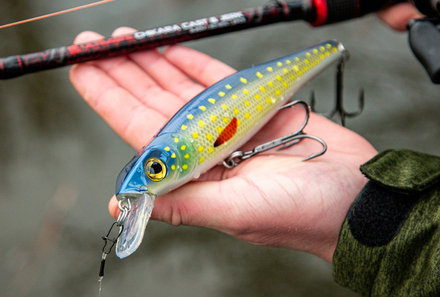
Fishing success often hinges on one key factor: matching the hatch. This angler’s phrase means selecting lures that imitate the insects, baitfish, or other prey currently abundant in the fish’s environment. As seasons change, so do the types of food available to fish, making it essential for anglers to adapt their tackle accordingly. Creating your own seasonal lures at home can give you a distinct advantage on the water by perfectly matching local hatches and enticing even the wariest fish fishing bait manufacturer.
Why Match the Hatch?
Fish rely heavily on sight and instinct when feeding. When they see prey that looks natural and familiar, they’re more likely to strike. Conversely, if your lure stands out as unnatural or is the wrong size, fish may ignore it. Matching the hatch involves observing what bugs, minnows, or other forage are currently active in your fishing area, then selecting or crafting lures that mimic those creatures in shape, color, and behavior.
Spring: Imitate the Emergence
Spring is the season when many aquatic insects hatch in large numbers after a long winter. Mayflies, caddisflies, stoneflies, and midges are common spring hatches. For this season, lightweight dry flies and small nymph imitations work best.
Project Idea:
Make your own foam-bodied dry flies or soft hackle nymphs at home. Using craft foam, feathers, and fine wire, you can create lightweight flies that float well and mimic emerging insects. Experiment with colors like pale yellow, olive, or gray to match local hatches. For nymphs, use tungsten beads for added weight and thread with natural-colored dubbing to imitate the underwater larvae.
Summer: Focus on Surface and Active Prey
Summer brings a variety of prey, including terrestrial insects falling into the water, small baitfish, and crayfish. Fish become more selective, often feeding near the surface during early mornings and evenings.
Project Idea:
Craft popper lures and small baitfish imitations at home. Use lightweight balsa wood or soft plastics to make poppers with concave faces that create splashing noises on the surface, attracting aggressive strikes. For baitfish, carve slender crankbaits or rig soft plastic swimbaits in natural shades like silver, brown, and green. Adding reflective paint or glitter can mimic the scales of real fish.
Fall: Imitate Shad and Crustaceans
As water temperatures drop, fish often shift their diet to shad, minnows, and crustaceans such as crayfish. These prey have bulkier bodies and often darker colors.
Project Idea:
Make weighted spoons or jig heads paired with homemade soft plastic crayfish or minnow imitations. For spoons, cut thin metal or plastic sheets and shape them to reflect light and wobble. Paint with dark reds, oranges, or browns. For soft plastics, use silicone molds and dye the material to match the earthy tones of crayfish shells.
Winter: Simplify and Slow Down
Fish metabolism slows in cold water, so they feed less aggressively. Imitations need to be smaller, slower, and subtle.
Project Idea:
Tie small, simple flies or create tiny jig heads with soft plastic tails. Focus on neutral and subdued colors like white, cream, gray, or pale yellow. Keep lures minimalistic to match the slow-moving prey fish target in winter months.
Tips for Success
-
Observe Local Waters: Spend time watching the insects and baitfish around your favorite fishing spots. Take notes or photos to replicate key details.
-
Use Natural Materials: Whenever possible, use natural feathers, fur, and colors to make your lures look authentic.
-
Test and Adjust: Try your lures in water and adjust their weight, size, or colors based on performance.
Conclusion
Seasonal lure projects are a fantastic way to stay connected to nature and improve your fishing results. By matching the hatch at home, you create lures that resonate with local fish and increase your chances of success all year round. With a bit of observation, creativity, and patience, your homemade lures will become trusted tools in your tackle box, ready to fool fish no matter the season.